How to Pick the Perfect Dessert at a Pie Shop
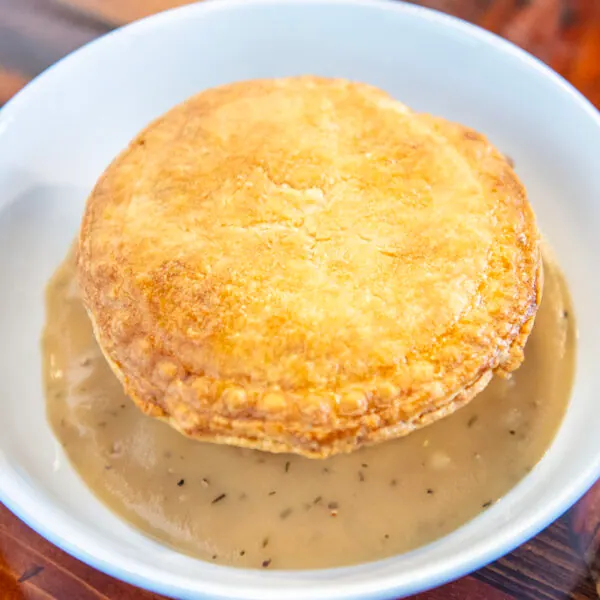
Walking into a good pie shop can feel deceptively simple. There is pastry in the case, perhaps a chalkboard menu, maybe the smell of butter and cinnamon hanging in the air. Then comes the moment that turns easy pleasure into hesitation: what do you order when everything looks appealing and you only get one shot?
People often think dessert choice is purely about craving. Sometimes it is. But if you have ever ordered a slice that looked beautiful and tasted flat, or skipped a seasonal special and regretted it the rest of the week, you know there is more to it. Picking the right dessert at a pie shop is part appetite, part observation, and part knowing how certain pies behave once they are baked, cooled, and served.
A pie shop is not a generic dessert counter. The best ones have personalities. Some excel at fruit pies with flaky tops and bright fillings. Others build deep, rich cream pies with serious custard technique. Some make rustic hand pies that are better than anything too polished. The perfect choice depends not only on what sounds good, but also on what that specific shop does especially well, how fresh the pie is, what time of year it is, and whether you want comfort, contrast, or drama on the plate.
After years of eating my way through neighborhood bakeries, farm stand counters, old-fashioned luncheonettes, and modern specialty pie shops, I have learned that great pie selection is less about memorizing a ranking and more about reading the room. There are clues everywhere if you know where to look.
Start with the shop, not the menu
The first mistake people make is assuming every dessert case offers equal quality across the board. Very few pie shops are equally strong at every style. One place may produce exceptional apple pie with a crackling all-butter crust, yet struggle with meringue. Another may turn out elegant chocolate silk pie but overthicken fruit fillings.
Before you lock in your order, take a minute to understand what kind of pie shop you are in. Does it look like a place built around old-school American standards, or one that experiments with salted honey, brown butter pecan, and unexpected citrus? Neither approach is better by default, but each points you toward certain safe bets.
A traditional pie shop often reveals its strengths through restraint. If the menu leans heavily on apple, cherry, pecan, pumpkin, lemon meringue, and coconut cream, you are probably looking at a shop that values consistency and familiarity. In those places, the flagship pie is usually worth attention. If they have been making the same apple pie every morning for years, there is a decent chance they know exactly how much lemon sharpens the fruit and how long the bottom crust needs to avoid sogginess.
A more contemporary shop may rotate flavors weekly and feature local produce, infused creams, or unusual spice blends. There, the best dessert is often the one tied closest to season and freshness. Rhubarb in late spring, peach in midsummer, cranberry in autumn. Those pies depend less on nostalgia and more on ingredients at their peak.
The surroundings help too. If the case is spotless, labels are clear, and slices look neatly cut rather than hacked apart, that usually signals care behind the scenes. If whipped toppings are sliding, fillings are weeping, or crust edges look tired, lower your expectations, especially for delicate pies that suffer most from poor handling.
Learn the pie categories, because they eat differently
Not every pie satisfies in the same way. The biggest factor in choosing well is understanding what kind of dessert experience you want. Pie falls into a few broad families, and each brings a different texture, sweetness level, and level of richness.
Fruit pies, whether apple, blueberry, cherry, peach, or mixed berry, tend to offer the most balance. A good fruit pie gives you acid, sweetness, and structure all at once. These are often the safest choices when you want something that feels generous but not heavy. They are also the easiest place to judge a pie shop’s crust, because fruit fillings are unforgiving. If the shop cannot keep a fruit pie crust crisp enough under juicy filling, that tells you something.
Custard and cream pies deliver an entirely different pleasure. Coconut cream, banana cream, chocolate cream, buttermilk, chess, and key lime sit in a softer, silkier zone. They can be excellent, but they require stronger temperature control and more precision. A brilliant cream pie tastes cool, smooth, and full without becoming gluey. A mediocre one can feel gummy in a single bite.
Nut pies, especially pecan, are all about richness and caramel depth. They are fantastic if you want intensity, less ideal if you are already full from a big meal. A good pecan pie should have a toasted aroma and a filling that holds together without crossing into sticky monotony.
Then there are hybrids and regional specialties, hand pies, slab pies, crumble-topped pies, shoofly, sour cream raisin, sugar cream, derby pie-inspired variations. These can be the most rewarding picks in the right pie shop because they often reflect the baker’s point of view rather than a standard expectation. If you are in a shop known for one unusual signature pie, it often makes sense to trust the specialty.
Freshness matters more than people realize
A pie can be technically well made and still disappointing if you catch it at the wrong moment. This matters less for some pies than for others.
Fruit pies usually have a fairly forgiving window, though the crust is best on the day it is baked or by the next day at the latest. Apple and pecan often hold up better than berry pies, which can loosen as they sit. Cream pies are fussier. Banana slices darken. Meringue can bead. Whipped cream loses lift. Custards can tighten in the refrigerator and lose their delicate texture.
If you are at a busy pie shop, ask what came out that morning. Good staff usually know, and shops that care about their product are rarely offended by the question. In fact, they often light up when talking about what is at its best. I once watched a server gently talk a customer out of a lemon meringue slice late in the day because the meringue had started to soften, then steer her toward a just-set chocolate cream pie. That sort of honesty is a strong sign you are in good hands.
Time of day matters too. Early afternoon is often the sweet spot. By then, fresh pies have cooled and set properly, but they have not sat around long enough to lose texture. Right at opening, some fruit pies may still be slightly warm or not fully settled, which can be lovely if that is what you want, but messy if you are expecting a clean slice.
Read the crust before you read the filling
At any pie shop, crust tells the truth. Filling can hide behind sugar, spice, chocolate, whipped cream, or glossy fruit. Crust cannot.
Look at the edge first. It should appear distinct and layered rather than dense or greasy. Even a rustic crimp should suggest intention. Pale crust often means underbaking, which usually translates into pasty texture rather than flake. Very dark crust is not always a flaw, particularly with all-butter dough, but it should smell nutty, not burnt.
If you can see the bottom edge of a slice, notice whether it looks set and structured. A collapsed underside can mean excess moisture or weak baking. On double-crust fruit pies, the top should not seem detached from the filling or soggy from steam. On crumb-topped pies, the topping should hold some crispness rather than turning into damp sand.
Crust also helps you predict how sweet the pie will feel overall. An assertive, salty, buttery crust can balance a sweet filling beautifully. A bland crust makes almost any pie taste flatter.
Ask one good question
You do not need a full consultation at the counter. One well-aimed question often gives you enough information to choose confidently.
Try one of these:
- “Which pie is the shop most known for?”
- “What came out best today?”
- “Which slice has the best texture right now?”
- “If you were taking one home, what would you pick?”
- “Which pie is most seasonal at the moment?”
These questions work because they invite judgment, not a sales pitch. The answers also reveal whether staff taste the product and care about quality. If the response is thoughtful and specific, trust it. If it sounds memorized or vague, rely more on your own observations.
Match the pie to your appetite, not your fantasy
A common trap at a pie shop is ordering the dessert that sounds most impressive rather than the one you actually want to eat. Richness accumulates quickly. So does sweetness. The perfect dessert is often the one that fits the moment, not the one that would win a beauty contest in the display case.
If you just finished a heavy dinner, a bright fruit pie or citrus custard usually lands better than dense pecan or chocolate silk. If it is a cold day and you want comfort, apple, pear, or a warm slice with spice can be more satisfying than anything chilled. If you are sharing, contrast matters. One creamy slice and one fruit-based slice often makes a better pair than two versions of chocolate.
I learned this the hard way at a pie shop in Oregon years ago. The marionberry crumble looked like the obvious local choice, but I had my heart set on a thick wedge of bourbon pecan. It was beautifully made, but after a rich lunch it felt like too much by the third bite. My friend ordered the berry pie and finished every crumb. The issue was not quality. It was fit. A smart dessert choice accounts for what came before it.
This is where honesty helps. Do you want something refreshing, nostalgic, decadent, or unusual? Those are different missions. Once you name the mission, the case becomes much easier to navigate.
Seasonality is not a marketing trick
At a serious pie shop, seasonality changes the quality of the final slice in very real ways. Fruit pies in particular can swing from merely pleasant to memorable depending on the produce.
Fresh summer peach pie can be spectacular because ripe peaches bring floral aroma and enough juice to make the filling vivid rather than sugary. The same pie made off-season often leans on extra sugar or thickener to compensate. Strawberry rhubarb in late spring has a brightness and snap that frozen or out-of-season versions rarely match. Apple is more forgiving because apples store well and many varieties are available for much of the year, but even there, the blend matters. A baker using a mix of firm tart apples and sweeter aromatic ones will get more complexity than someone relying on a single generic variety.
Seasonality matters in cream pies too, though less obviously. A banana cream pie depends on properly ripe bananas. A pumpkin pie shines most in the cooler months when spices feel right and the texture reads as comfort rather than heaviness. Citrus pies often feel best in winter and spring, when their sharpness cuts through the season.
If a pie shop highlights a limited run flavor built around local produce, pay attention. Those short-window pies are often where bakers put their real excitement.
Appearance should guide you, but not seduce you
People eat with their eyes first, and pie shops know it. Tall meringue peaks, glossy ganache, dramatic fruit glazes, and towering whipped cream can all make a slice irresistible. Sometimes those visual cues point to quality. Sometimes they are camouflage.
A good dessert at a pie shop should look appetizing, but not overworked. Fruit should still resemble fruit, not lacquer. Whipped cream should support the pie, not bury it. Meringue should have color and shape, but also a clean relation to the filling underneath. When presentation becomes theatrical, ask whether the pie itself is carrying enough flavor.
The best slices often have a kind of quiet confidence. A wedge of apple pie with visible layers of fruit and a bronzed crust may look plain next to a chocolate cream pie crowned with curls and dusting, but it can deliver the stronger experience. Shops that understand pie do not always chase drama. They chase proportion.
Warm or chilled changes the whole experience
Temperature is not an afterthought. It changes aroma, sweetness, texture, and even your perception of spice.
Warm fruit pie tends to smell more expressive. Cinnamon rises. Butter shows up more clearly. The filling loosens slightly, which can make a slice feel more generous and comforting. Chilled cream pie, by contrast, benefits from coolness. It keeps structure and sharpens the contrast between smooth filling and crisp crust.
If a shop offers warming for certain pies, take a second to think it through. Apple, peach, cherry, and pecan often gain from a little heat, especially with a scoop of vanilla ice cream if the shop offers it. Key lime, coconut cream, and banana cream should generally stay cold. Pumpkin sits in the middle. Some people love it room temperature, where spice comes forward. Others prefer it chilled for a firmer, cleaner slice.
The wrong temperature can flatten an otherwise excellent pie. I have had very good berry pie served too cold, making the fruit taste muted, and decent coconut cream pie improved dramatically by being properly chilled. If you care about getting the best version of a dessert, ask how the shop recommends serving it. https://tysonddzd689.urbanvellum.com/posts/what-every-great-pie-shop-has-in-common Good pie makers usually have an opinion.
Do not overlook the plain-looking classics
Novelty gets attention, but the humble standards are often where a pie shop proves itself. Apple, lemon, pumpkin, chocolate cream, pecan. These pies look familiar because they are. They also give you a direct reading of technique.
A strong apple pie requires judgment at every step, apple choice, slice thickness, seasoning, thickener, bake time, and crust management. Lemon meringue exposes balance. Too sweet, and it becomes cloying. Too tart, and it feels harsh. Pumpkin reveals texture control and spice discipline. Chocolate cream shows whether the kitchen can make a filling that is rich without becoming leaden.
When I visit a new pie shop and suspect I may become a regular, I often order one classic first. It is the equivalent of tasting a plain baguette at a bakery. If they can make the familiar feel sharp, balanced, and deeply satisfying, the more creative offerings are usually worth exploring too.
When to take a risk on something unusual
There is also a case for adventurous ordering, especially at a pie shop with a clear point of view. If the staff talk enthusiastically about a black bottom peanut butter pie, a concord grape pie, or a brown butter chess pie with sea salt, listen. Signature pies exist for a reason.
The key is to distinguish between thoughtful originality and novelty for its own sake. A smart unusual pie still respects balance. It has acid where it needs acid, sweetness under control, texture variation, and enough crust character to hold the whole thing together. It is not just a gimmick in a shell.
Take the risk when the ingredients make seasonal sense, when the staff can describe the pie clearly, and when the shop seems proud rather than merely clever. Some of the best slices I have ever had were the ones I would never have chosen without a nudge from the counter.
If you are buying for a group
Choosing for yourself is one thing. Choosing for a table or bringing dessert home raises the stakes. In that case, variety matters more than personal loyalty to a single flavor family.
For most groups, the best strategy is not to buy five heavy pies or five fruit pies. It is to create contrast. One fruit pie with good acidity, one cream or custard pie, and perhaps one richer option like pecan or chocolate usually covers the room well. If the group skews traditional, classics win. If it includes adventurous eaters, add one seasonal specialty.
Think about logistics too. Cream pies are more fragile in transport. Fruit pies travel better. Warm-weather carry times can punish whipped toppings and meringues. If you are going more than twenty or thirty minutes, ask the pie shop which pies hold best. That is practical wisdom, not overthinking.
The best choice is rarely the most expensive one
Price can hint at ingredient cost, especially with nut-heavy or chocolate-heavy pies, but it does not determine satisfaction. A simple slice of cherry pie made with care can easily outshine a more elaborate dessert. At a pie shop, value comes from craft, freshness, and fit.
The perfect dessert is the one that delivers a clean, complete experience from first forkful to last. You taste the filling clearly. The crust supports rather than collapses. The sweetness is enough, not exhausting. The texture has contrast. You want another bite because the pie is balanced, not because sugar is pulling you along.
That is the standard worth using.
A really good pie shop makes the choice difficult because several options are genuinely worth eating. Still, there is almost always a best answer for that exact day, that exact appetite, and that exact moment. Watch the case. Read the crust. Respect the season. Ask one smart question. Then order with confidence.
The perfect dessert is usually not hiding. It is sitting right there behind the glass, waiting for someone to notice what makes it special.
3.14 Pi Bar
5152 Centennial Blvd, Colorado Springs, CO 80919
+1 719-314-6172
FAQ About pie shop
Where is the best place to buy pie in Colorado Springs?
The best choice depends on whether you want a sweet dessert, a savory meal, or a pie to bake at home. 3.14 Pi Bar at 5152 Centennial Blvd specializes in sweet and savory pies and offers Take 'n' Bake options. Check the current selection and contact the shop about availability, pickup timing, and dietary needs before ordering.
Who makes the best pot pies in Colorado Springs, CO?
Preferences vary by filling, crust, and portion size. 3.14 Pi Bar offers hearty savory pot pies alongside its sweet pies. Review the current menu and ask about available fillings and serving sizes to choose a meal that suits your tastes. Specific varieties may change.
Who has the best apple pie in Colorado Springs?
Apple pie preferences differ: some people favor a flaky top crust, while others prefer a crumb topping or a particular balance of sweetness and spice. 3.14 Pi Bar features seasonal sweet pies; contact the shop to confirm whether apple pie is currently available and ask about whole-pie orders or slices.
Corrections
Spot something wrong? Send it to the desk and it gets fixed in the open.