Drunken Noodles with Chicken, Shrimp, or Tofu: Pick Your Favorite
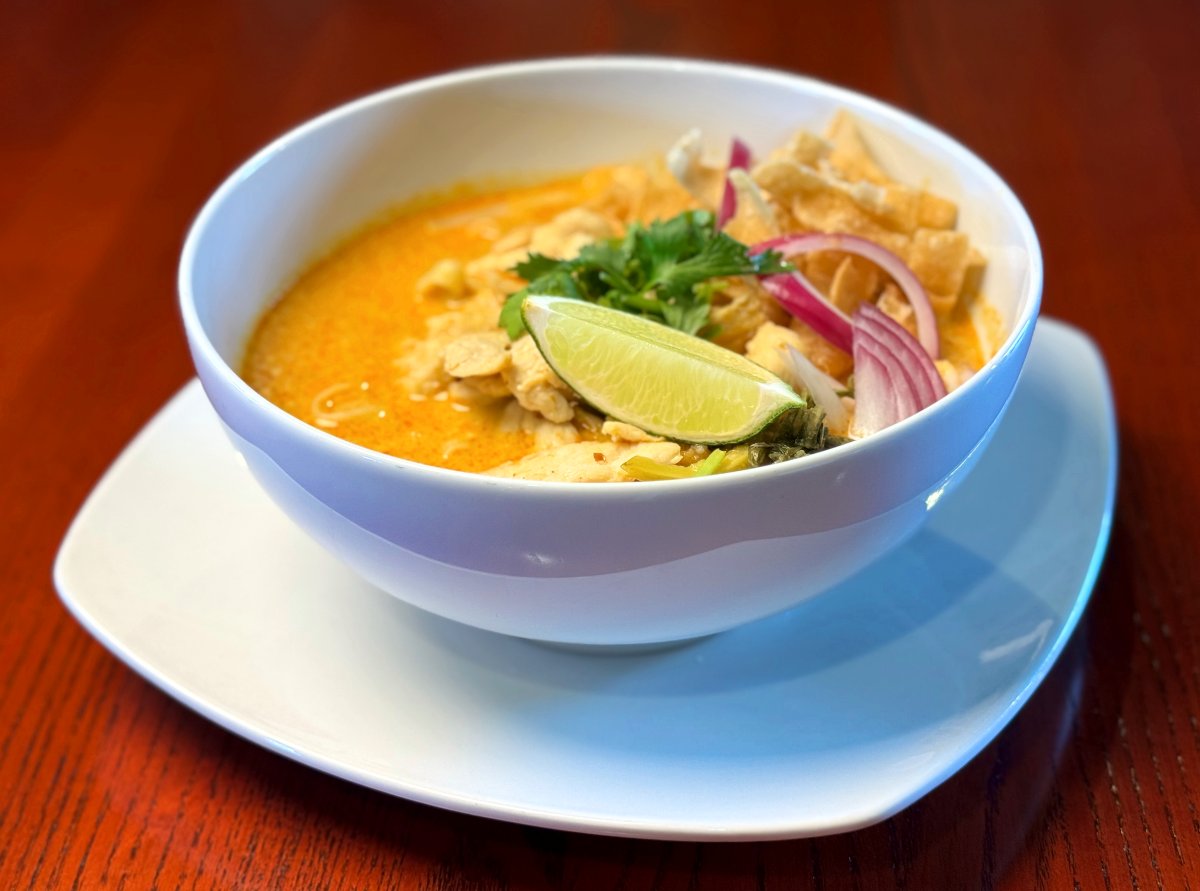

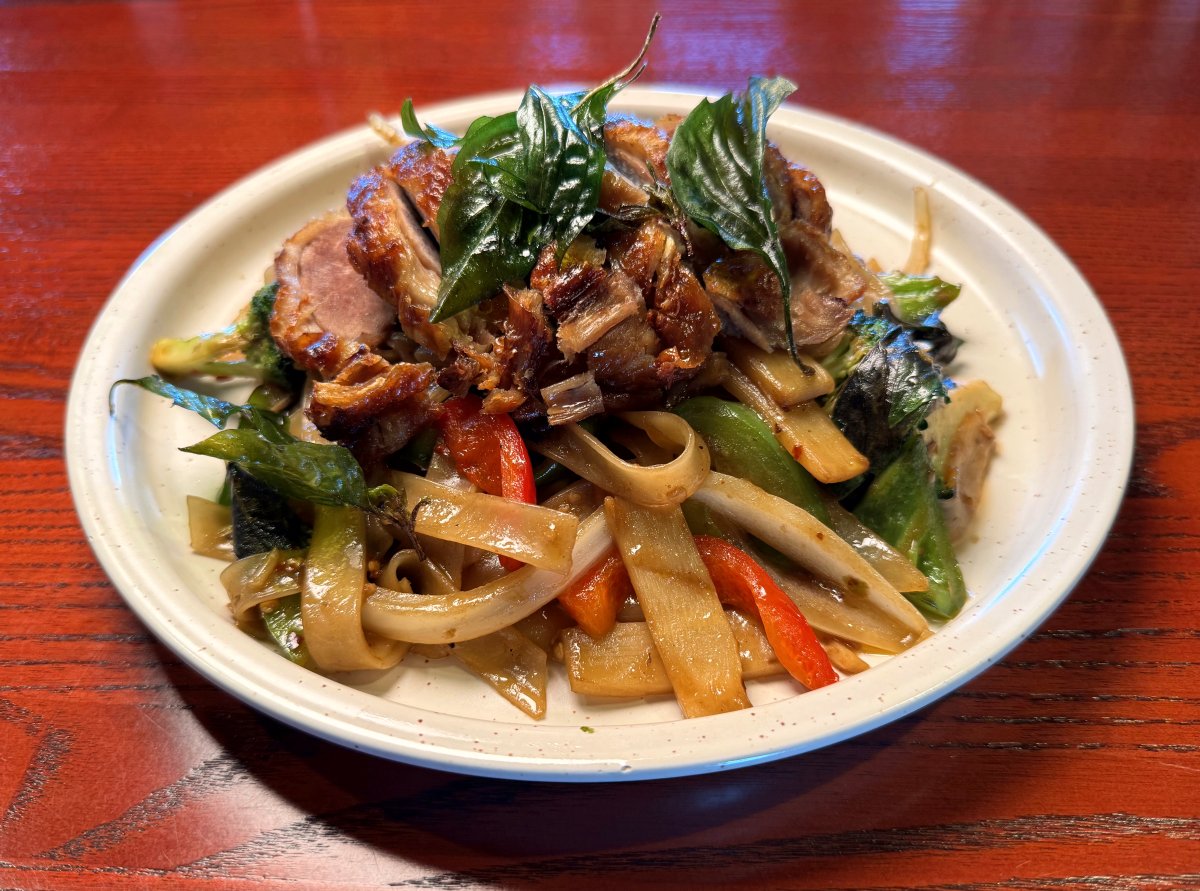
Drunken Noodles sit in that sweet spot between comfort food and weeknight showpiece. They are bold, savory, a little sweet, usually spicy, and built around chewy wide rice noodles that soak up sauce better than almost anything else in the stir-fry world. When the pan is hot enough and the timing is right, every bite carries a bit of char, fresh basil, and that unmistakable salty depth from soy sauce and fish sauce.
What makes this dish especially useful at home is how easily it adapts. You can make it with chicken for a hearty, familiar version, shrimp for something lighter and slightly briny, or tofu for a meatless plate that still feels substantial. The sauce stays roughly the same, the noodles stay the same, and the vegetables can shift with the season or whatever is left in the crisper drawer. Yet each protein changes the personality of the dish in a real way.
That flexibility is one reason Drunken Noodles have such staying power. In https://charliepvuy229.huicopper.com/drunken-noodles-with-pork-a-tasty-alternative restaurant kitchens, the dish often serves as a test of heat control and timing. At home, it becomes a practical answer to the question every cook faces at least twice a week: what can I make that tastes like I put in more effort than I actually did?
What Drunken Noodles are really about
A lot of people order Drunken Noodles expecting only heat. Spice is part of the appeal, but it is not the whole story. A good plate balances several things at once: the chew of the noodles, a glossy sauce that clings instead of pooling, quick-cooked vegetables that still have some life in them, and holy basil or Thai basil that perfumes the whole pan right at the end.
The name invites folklore, and there are a few popular explanations floating around, but the practical truth is more important than the myth. This is a stir-fried noodle dish that rewards assertive seasoning and fast cooking. The noodles should not feel drowned in sauce. The vegetables should not feel steamed into submission. The protein should match the speed and force of the pan.
When cooks miss the mark, it is usually because one of three things happens. The pan is not hot enough, so the noodles and vegetables release water and turn soft. The sauce is too timid, so the noodles taste flat once they absorb it. Or the ingredients are added in the wrong order, which creates traffic in the pan and muddies the texture.
The foundation matters more than the garnish
Before choosing chicken, shrimp, or tofu, it helps to understand what the dish needs structurally. Wide rice noodles are the backbone. Fresh wide rice noodles are ideal if you can find them, because they stay supple and take on a slightly smoky edge in the pan. Dried wide rice noodles work well too, but the soak and cook time matter. If they go too soft before they hit the wok or skillet, they tear and clump.
The sauce usually leans on soy sauce for salt and color, fish sauce for depth, oyster sauce for body, a bit of sugar to round the sharp edges, and chiles for heat. Some cooks add dark soy for color, and that can work beautifully in moderation. Too much, though, and the sauce tastes heavy rather than lively.
Vegetables should support, not crowd, the noodles. Chinese broccoli is classic because the stems stay crisp while the leaves wilt into the sauce. Bell peppers, onions, and even green beans are common substitutes and perfectly useful at home. The trick is to cut them so they cook in roughly the same time. Thick onion wedges and thin bell pepper strips usually behave well together. Broccoli florets and carrots, unless pre-cooked or cut very small, can slow the dish down.
Then there is basil. This is not decorative. Basil changes the aroma of the dish in the final seconds and gives the noodles a fresher top note that cuts through the sauce. If you have Thai basil, use it. If you only have Italian basil, use that rather than skipping basil altogether. The result will be different, but still good.
Chicken: the most forgiving option
Chicken is the version I recommend to anyone making Drunken Noodles for the first time. It is familiar, easy to source, and forgiving enough to survive a little overcooking without ruining the dish. Thin slices of boneless thigh meat are best because thighs stay juicy and pick up browning well. Breast meat works too, especially if sliced thin across the grain and not left in the pan too long.
Chicken also pairs naturally with the sauce profile. It absorbs seasoning without competing with it, and it gives the dish enough richness to feel complete without becoming heavy. If you are cooking for a mixed group, chicken is usually the safest crowd-pleaser because it lands somewhere between the delicacy of shrimp and the firmer, more specific texture of tofu.
There is a practical reason restaurant cooks often like chicken in stir-fried noodles. It cooks quickly, but not so quickly that a few extra seconds destroy it. Shrimp can go from perfect to rubbery very fast. Tofu needs careful handling or it breaks apart. Chicken gives you a little margin.
The key is in the slicing. Pieces that are too thick take longer to cook and can force the vegetables or noodles to wait. Pieces that are too small can dry out before they pick up any color. Think bite-size, but on the flatter side. A short marinade with soy sauce and a touch of cornstarch can help if you want especially tender results, although it is not mandatory.
Shrimp: fast, bright, and slightly luxurious
Shrimp makes Drunken Noodles feel a little more restaurant-like, partly because shrimp naturally reads as a special-occasion ingredient for many home cooks. It also brings a flavor that chicken cannot. There is a mild sweetness and salinity that works especially well with basil and chiles.
That said, shrimp demands better timing. A medium or large shrimp can cook in well under two minutes in a hot pan. If you are juggling noodles, vegetables, aromatics, and sauce while also trying to judge shrimp doneness, things can get crowded. The best approach is to cook the shrimp briefly first, just until nearly done, remove it, and return it at the end so it finishes with the noodles. That extra step is not fussy, it is insurance.
Size matters here. Very small shrimp disappear into the noodles and overcook quickly. Jumbo shrimp look impressive, but they can feel out of scale in a dish meant to be grabbed with noodles in one bite. Medium-large shrimp often give the best balance.
One note from experience: shrimp releases moisture if it goes into the pan wet. Pat it dry. It sounds minor, but the difference shows up immediately. A hot pan plus dry shrimp gives you a cleaner sear and a better texture. A wet shrimp in a crowded pan gives you steam, pale surfaces, and a puddled sauce.
Shrimp also shifts the whole dish toward a lighter style. If chicken Drunken Noodles is the hearty weeknight version, shrimp is the one I make when I want the meal to feel sharper and more aromatic. A squeeze of lime is not traditional in every version, but with shrimp it can be especially nice at the table.
Tofu: the option with the highest upside
Tofu is often treated like the backup plan, but it can be the most interesting version if cooked well. The challenge is that tofu does not bring much flavor on its own, so the texture has to carry its weight. Silken tofu is not the right choice here. Extra-firm tofu is.
The best tofu Drunken Noodles begin before the pan gets hot. Pressing the tofu removes excess moisture and lets it brown instead of sputter. Cutting it into slabs or broad rectangles, rather than tiny cubes, helps it survive the toss. Once the tofu develops a crust, it starts acting like a sponge for the sauce without collapsing into it.
A lot of cooks make the mistake of seasoning tofu only after it is in the finished dish. That leaves the interior bland and the exterior slick. A light dusting of cornstarch, a brief pan-fry, and a small splash of soy sauce while it cooks can make all the difference. You are not trying to turn tofu into fake chicken. You are trying to let it contribute its own textural contrast.
Tofu also pairs particularly well with vegetables. If I am making a tofu version, I tend to use a little more Chinese broccoli or bell pepper, because tofu creates room for those flavors to stand out. With chicken, the protein can dominate. With tofu, the dish becomes more balanced across noodles, vegetables, basil, and sauce.
For anyone cooking vegetarian, the main adjustment is obvious but important: skip the fish sauce and oyster sauce, or use vegetarian alternatives that provide similar savory depth. That swap does change the flavor somewhat, but not in a bad way. Mushroom-based sauces often bring a rich, earthy note that suits the noodles very well.
How to decide which protein fits the night
Picking a favorite is less about ranking the three and more about matching the dish to the occasion, the pantry, and your own cooking style.
- Choose chicken if you want the easiest, most forgiving version with broad appeal.
- Choose shrimp if you want a quicker-cooking, brighter plate with a slightly more refined feel.
- Choose tofu if you want a vegetarian option with great texture and a sauce-forward character.
- Choose what you can cook confidently in high heat, because confidence matters more than theory in stir-frying.
Those trade-offs are real. Chicken gives you margin. Shrimp gives you elegance. Tofu gives you a different kind of satisfaction, especially if you like vegetables and basil to share the spotlight.
The sauce is where most home versions either shine or stumble
People often ask for a precise sauce ratio, but in practice Drunken Noodles work best when the sauce is treated as something you adjust to the noodles you have. Fresh noodles need less liquid than dried noodles that have absorbed a bit too much during cooking. Salt levels vary by brand. Fish sauce can be more or less aggressive depending on the bottle. That is why experienced cooks taste the sauce before it hits the pan.
A useful baseline is savory first, sweet second, spicy third. If the sauce tastes pleasantly strong on its own, it will likely be right once spread across a full pan of noodles and vegetables. If it tastes subtle in the bowl, it will disappear in the dish. Sugar should not make the noodles taste sugary. It should soften the edges of soy and fish sauce. Chiles should sting a little, but not flatten everything else.
Garlic deserves attention too. Burnt garlic will haunt the whole pan. Raw garlic, added too late, can taste sharp and unfinished. The sweet spot is fragrant but not browned, usually just a few seconds before the protein or immediately after, depending on your sequence and heat level.
Heat control is the hidden skill
Most people think they need a wok to make proper Drunken Noodles. A wok is excellent, but it is not a magic object. What you really need is enough heat, enough space, and the discipline not to overload the pan. A large skillet, especially carbon steel or cast iron, can do the job well.
The biggest enemy of stir-fried noodles at home is crowding. When too many ingredients hit the pan at once, the temperature drops. Instead of searing, everything starts leaking water. The noodles soften. The vegetables slump. The protein pales. If your burner is modest, make two smaller batches rather than one big batch. That single decision improves the result more than any specialty ingredient.
Fresh noodles also need gentle handling. If they are stuck together, separate them before they go into the pan. Pulling them apart over high heat while other ingredients cook is how they tear. Dried noodles should be cooked just to pliable, not fully soft. They finish in the sauce.
There is also the matter of timing basil. Add it at the end, toss briefly, and stop cooking. Basil should wilt into the noodles and release its fragrance. If it cooks too long, it goes dark and loses the vivid note that makes Drunken Noodles taste alive.
Common mistakes that change the whole dish
A few errors show up again and again in home kitchens, and every one of them has a fix.
- Using overcooked noodles that break apart during tossing.
- Adding too much sauce, which turns stir-fried noodles into something soupy.
- Crowding the pan, which causes steaming instead of browning.
- Cooking the protein and vegetables until fully done before adding noodles, leaving no room for final integration.
- Forgetting the basil until after plating, when it never quite becomes part of the dish.
There is a pattern here. Drunken Noodles are not difficult because the ingredients are rare or the prep is complex. They are difficult because they move fast. The cook who lays everything out first, mixes the sauce in advance, and keeps portions reasonable will usually beat the cook who tries to improvise in real time.
If you want the dish to taste better, pay attention to texture
Flavor gets the spotlight, but texture is the difference between good Drunken Noodles and memorable Drunken Noodles. You want contrast. Noodles should be chewy and slick, not mushy. Vegetables should bend but still resist slightly. Chicken should stay juicy. Shrimp should snap. Tofu should offer crust on the outside and tenderness inside.
That texture contrast is why this dish handles leftovers unevenly. It can still taste good the next day, but the noodles soften and the basil fades. If you know you are cooking extra, undercook the vegetables slightly and keep the sauce restrained. Reheat in a hot skillet rather than a microwave if possible. The skillet gives you a fighting chance at reviving some edge in the noodles.
For meal prep, chicken usually holds best. Shrimp can toughen on reheating, and tofu can become softer than some people like. If you plan to reheat, store basil-heavy garnish separately when possible and add something fresh at the end, even if it is just more basil leaves.
The best version depends on who is eating
One thing years of cooking for other people teaches you is that the best version of a dish is not universal. It depends on appetite, preference, and context. A family dinner where one person dislikes seafood and another wants leftovers for lunch points clearly toward chicken. A date-night dinner with quick cooking and minimal cleanup leans shrimp. A vegetarian guest, or simply a desire for a lighter meal built around vegetables, points toward tofu.
Spice level matters too. Shrimp tends to pair best with a cleaner, sharper heat. Chicken can take a broader, more robust chile profile. Tofu welcomes a little extra heat because the tofu itself is mild. If you are feeding children or spice-sensitive eaters, it is often smarter to keep the noodles moderately spicy and offer chile vinegar or crushed chiles at the table.
There is also budget to consider. Prices vary by region, but tofu is often the most economical, chicken sits in the middle, and shrimp tends to cost the most. That alone can decide the night’s version. Fortunately, none of the three feels like a compromise when the dish is cooked well.
A practical way to build your own favorite
After enough batches, most cooks settle into a version that reflects how they actually eat. Mine changes by season. In colder months, I tend toward chicken with extra Chinese broccoli and a slightly darker sauce. In warmer weather, shrimp with a little more basil and a touch more chile feels right. When I want something less heavy but still deeply satisfying, tofu gets the call.
That is the beauty of Drunken Noodles. They invite preference without losing identity. The broad noodles, the hot pan, the basil, the punchy sauce, that core remains intact. The protein simply nudges the dish in one direction or another.
If you have never made them before, start with chicken and learn the rhythm of the pan. Once that feels natural, try shrimp and pay attention to timing. Then make tofu and focus on texture. By the third round, you will understand something useful: there is no single best answer, only the version that suits your kitchen and your table.
And if you are the sort of cook who likes a strong favorite, you will probably end up defending one of the three with surprising intensity. That is part of the fun. Drunken Noodles inspire loyalty because they reward attention. A little heat, a little speed, and the right protein can turn a basic stir-fry into the kind of meal people request again the next week.
Nakhon Luang Thai Kitchen
Address: 805 Village Center Dr, Colorado Springs, CO 80919
Phone number: +17195315175
FAQ About Drunken Noodles
What makes it drunken noodles?
Drunken noodles, or Pad Kee Mao, get their name from the Thai word khi mao (meaning "drunkard"). They contain no alcohol. The name comes from the idea that the dish is a popular late-night meal to cure a hangover or a great food to eat with a cold beer.
What is the difference between pad see ew and drunken noodles?
While both Pad See Ew and Drunken Noodles use the same wide rice noodles, Pad See Ew is a mild, sweet-savory dish made with dark soy sauce and Chinese broccoli, whereas Drunken Noodles (Pad Kee Mao) are fiery, garlicky, and herbaceous with fresh chilies and Thai basil.
What are traditional drunken noodles?
Traditional drunken noodles, known as Pad Kee Mao in Thai, are a fiery, savory street food stir-fry made with wide flat rice noodles, fresh garlic, lots of hot chilies, meat or tofu, and fragrant holy basil. Despite the name, they contain no alcohol; the dish is traditionally eaten late at night or as a hangover cure because the intense spice helps clear the head.
Corrections
Spot something wrong? Send it to the desk and it gets fixed in the open.